Optimal Timing for Heated Driveway Installation
Determining the optimal time to install heated driveways depends on climate conditions, local weather patterns, and seasonal temperatures. Typically, installation is most effective when outdoor temperatures are above freezing to facilitate proper setup and testing before winter months.
Installing heated driveways prior to the first snowfall ensures readiness for winter weather, reducing the risk of snow accumulation and ice formation. Planning installation in late summer or early fall allows sufficient time for setup before colder temperatures arrive.
Installing in fall ensures the system is operational before snow begins, providing immediate snow melting capabilities during winter.
Spring installations allow for system setup during warmer months, avoiding winter delays and ensuring readiness for the next snow season.
Avoid installation during freezing temperatures or snowstorms to ensure proper setup and safety.
Early installation helps prepare properties for winter, reducing the risk of ice buildup and related hazards.
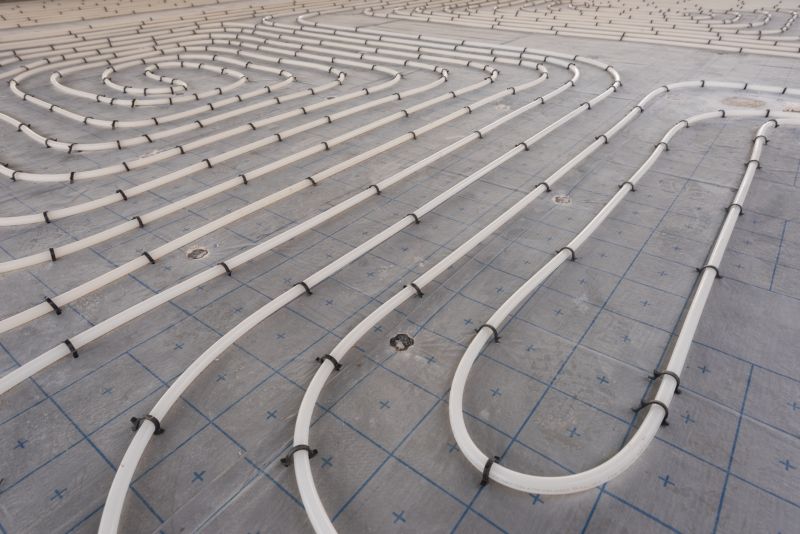
Infrared heating cables, mats, and control units installed beneath the surface.
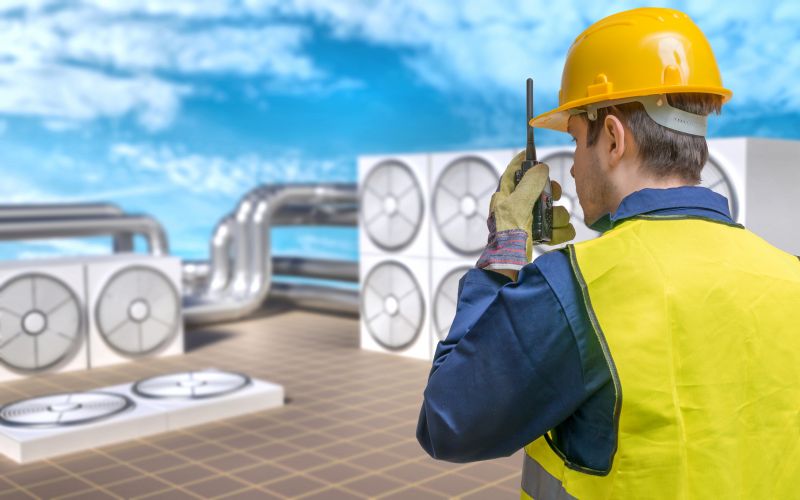
Technicians setting up heating elements during optimal weather conditions.
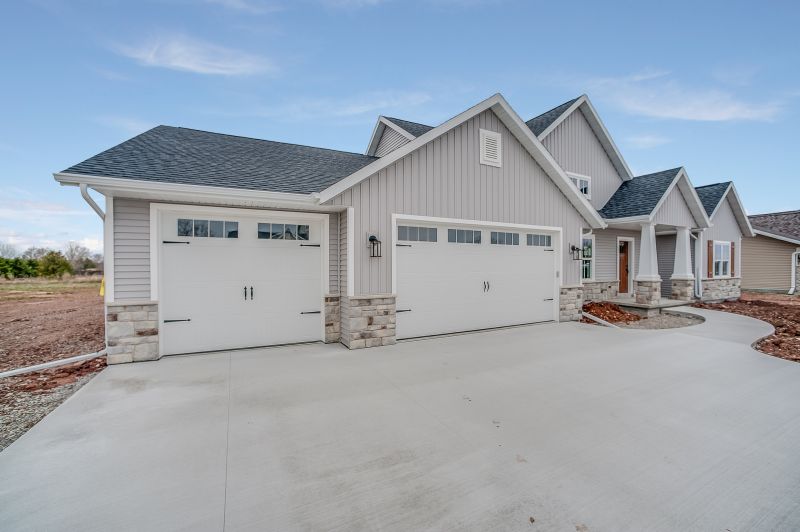
A fully installed system ready for winter snow melting.

Ways to make Heated Driveways work in tight or awkward layouts.
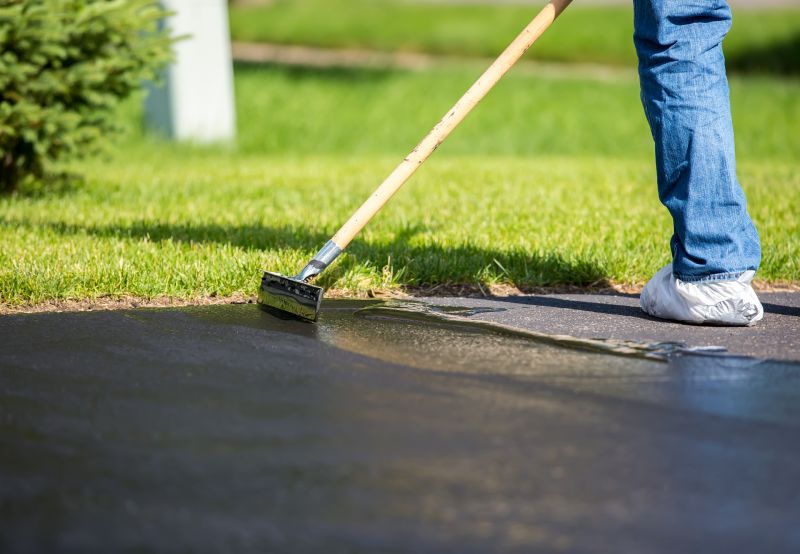
Popular materials for Heated Driveways and why they hold up over time.

Simple add-ons that improve Heated Driveways without blowing the budget.
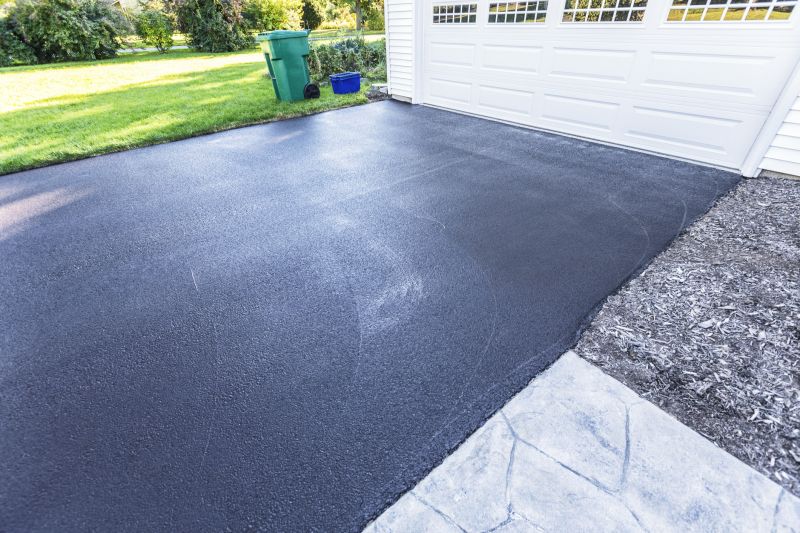
High-end options that actually feel worth it for Heated Driveways.
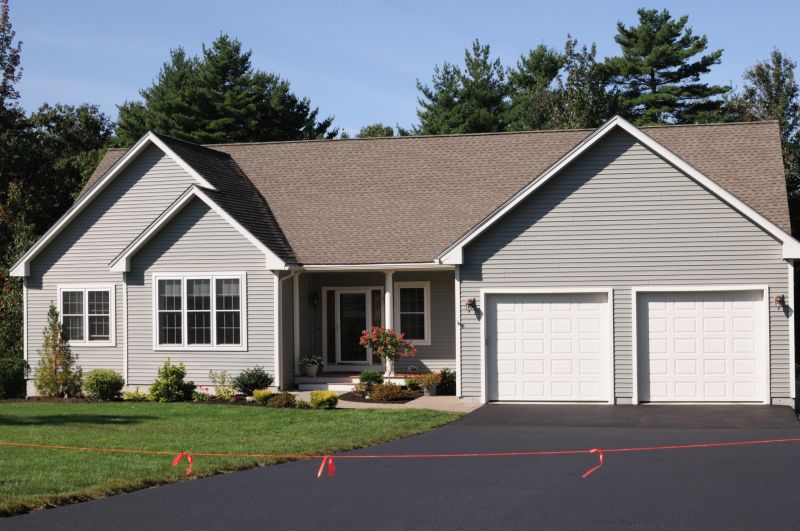
Finishes and colors that play nicely with Heated Driveways.
| Season | Optimal Installation Time |
|---|---|
| Spring | Late March to May |
| Summer | June to August |
| Fall | September to October |
| Winter | Not recommended |
Heated driveways utilize electric or hydronic systems to melt snow and ice automatically, enhancing safety and convenience during winter months. These systems are designed to activate when sensors detect snow or ice accumulation, ensuring clear pathways without manual intervention.
Statistics indicate that heated driveways can significantly reduce snow removal time and improve safety by preventing ice formation. Proper timing of installation maximizes system efficiency and lifespan, providing reliable performance during harsh winter conditions.
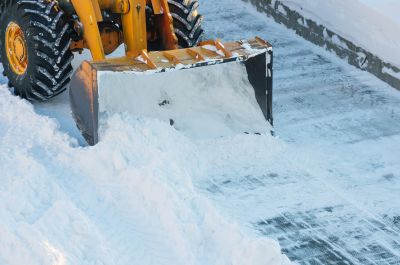
Heated driveways actively melt snow, maintaining clear surfaces during winter storms.
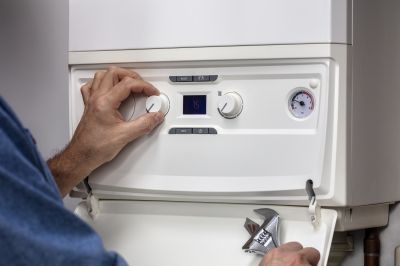
User-friendly interfaces allow easy management of heating schedules.
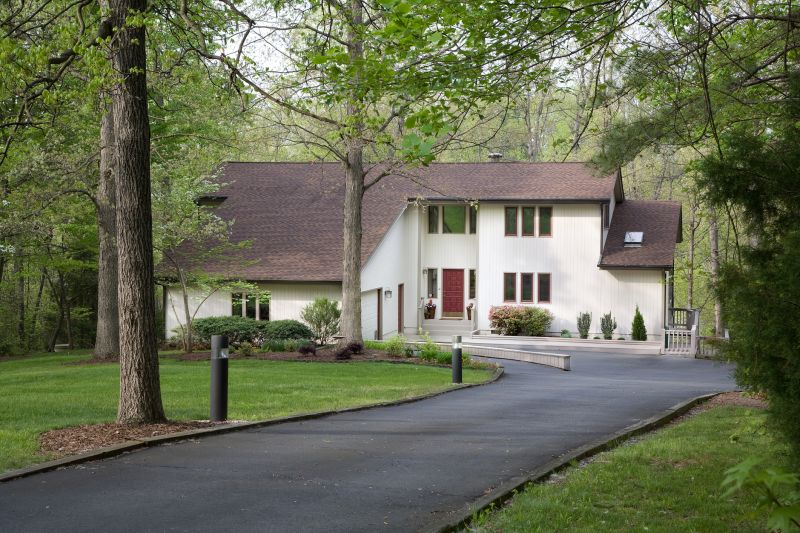
Modern heated driveway systems are designed for energy efficiency and reliable operation.

Reduces slip-and-fall hazards associated with snow and ice accumulation.
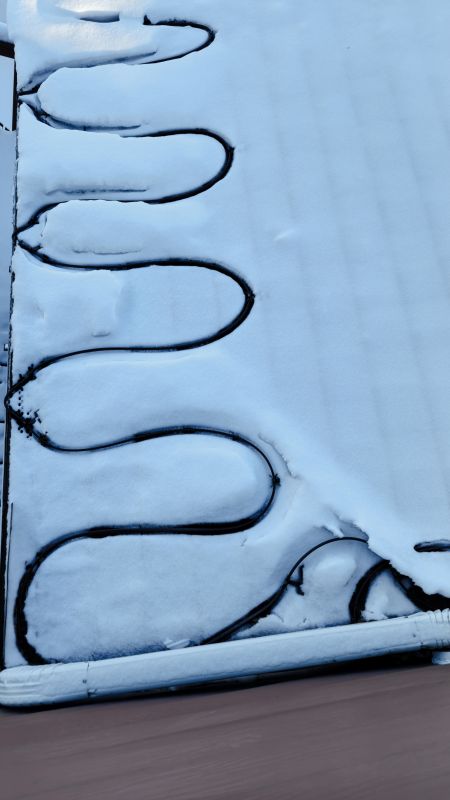
Little measurements that prevent headaches on Heated Driveways day.
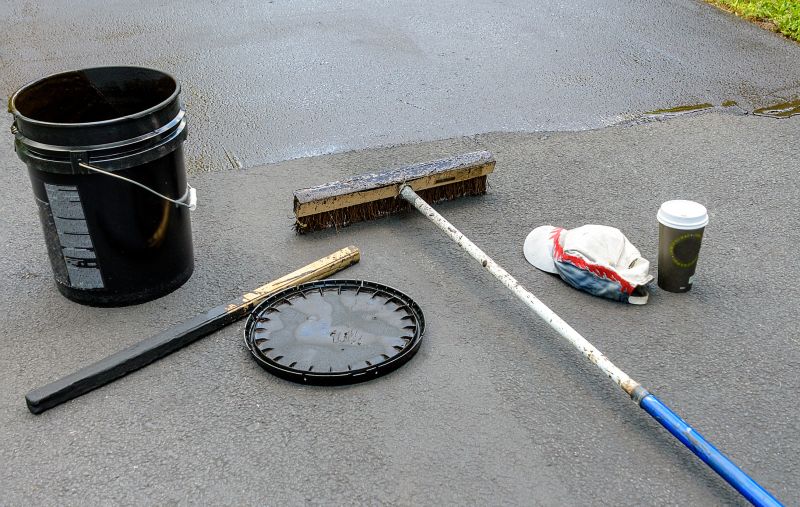
A 60-second routine that keeps Heated Driveways looking new.
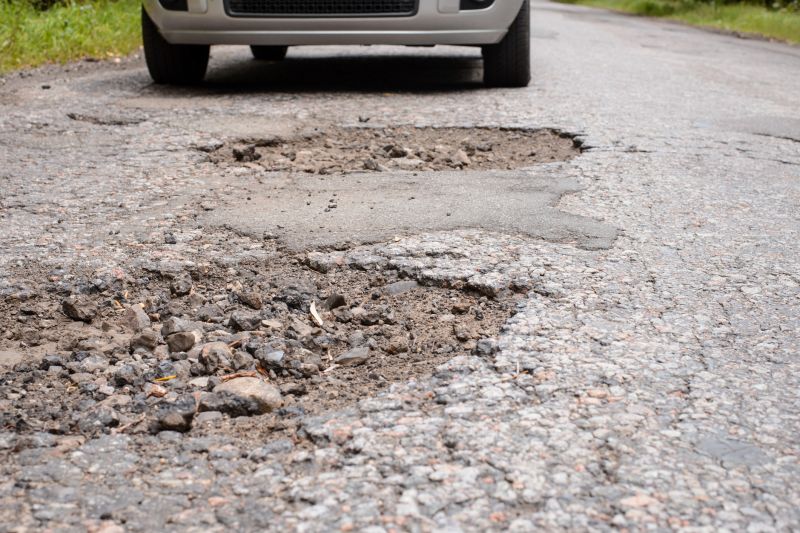
A frequent mistake in Heated Driveways and how to dodge it.

Small tweaks to make Heated Driveways safer and easier to use.
Those interested in installing heated driveways are encouraged to contact for more information on scheduling and system options to ensure optimal performance during winter months.